The Problem
For a decade, I was part of the circular movement. But I realized a glaring oversight: the economic blueprints were missing.
Our Forefathers
It was this way until it wasn’t
The Invention of Speed: A Short History of Our Current Rhythm
To understand Slow Throughput, we must first recognize that our current economic “speed” is not a natural law, but a historical choice. For most of human history, the economy was a subset of ecology and community. The shift to our modern “quick throughput” model was accelerated by a specific invention: Gross Domestic Product (GDP).
The GDP Paradox
In the 1930s, economist Simon Kuznets developed the first national accounts to help the U.S. navigate the Great Depression. His original intention was to measure human welfare and the standard of living. Crucially, Kuznets argued that government spending—especially military spending—should be excluded from these figures, as he viewed it as a cost of maintaining society rather than a true economic “good.”
However, with the onset of World War II, the metric was weaponized. To justify massive wartime production, military expenditures were reintegrated into the calculation. What was meant to be a measure of social well-being was transformed into a measure of industrial throughput. We have been chasing that wartime production rhythm ever since.
Echoes of Wisdom: The Missing Economic Blueprints
The path to a regenerative world is not a new dream; it is a meticulously crafted economic reality that has been overlooked for decades. The following thinkers provided the foundations for what we now call Slow Throughput:
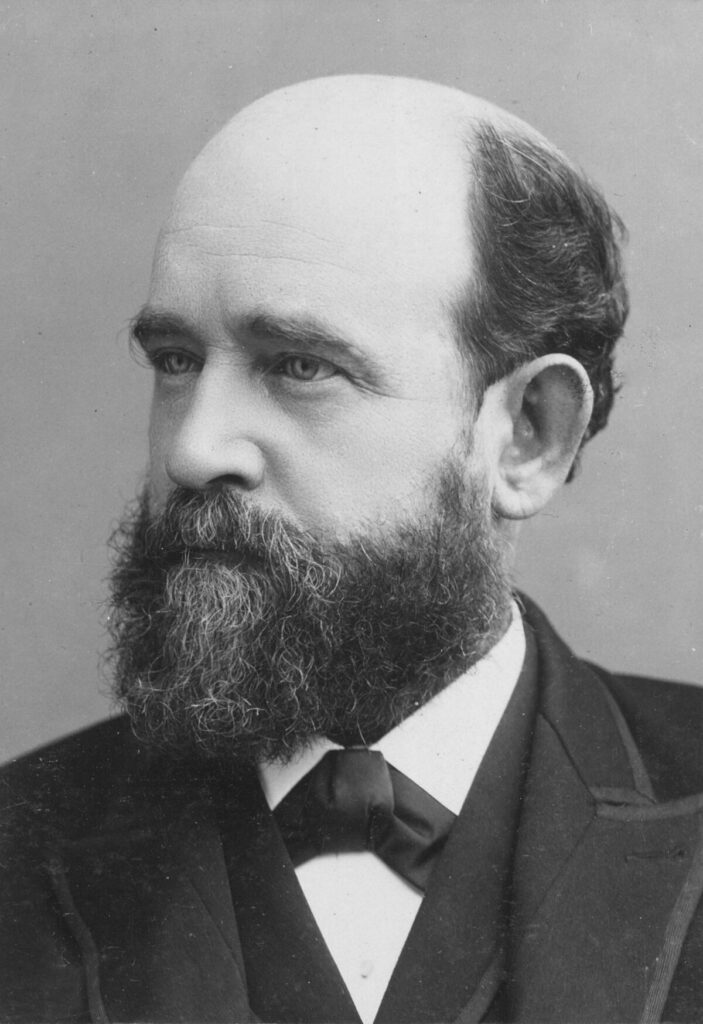
Henry George
George reminded us that the “commons”—the resources we all share—must be the bedrock of any fair economic system, preventing the exploitation that fuels rapid extraction.
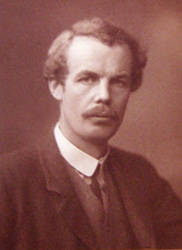
Arthur Pigou
Pigou was the first to articulate that “externalities”—the damage done to our environment—are real economic costs that “quick throughput” conveniently ignores.
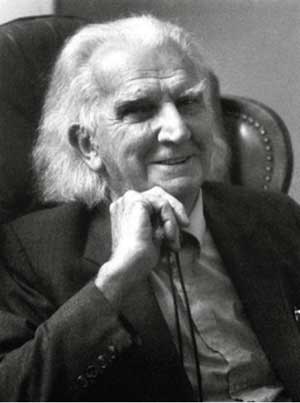
Kenneth Boulding
Boulding’s “Spaceman Economy” is the spiritual heart of Slow Throughput. He argued we must transition from a frontier mentality of infinite resources to a “closed” system where we value the quality of what we keep, not the speed of what we consume.
About ME
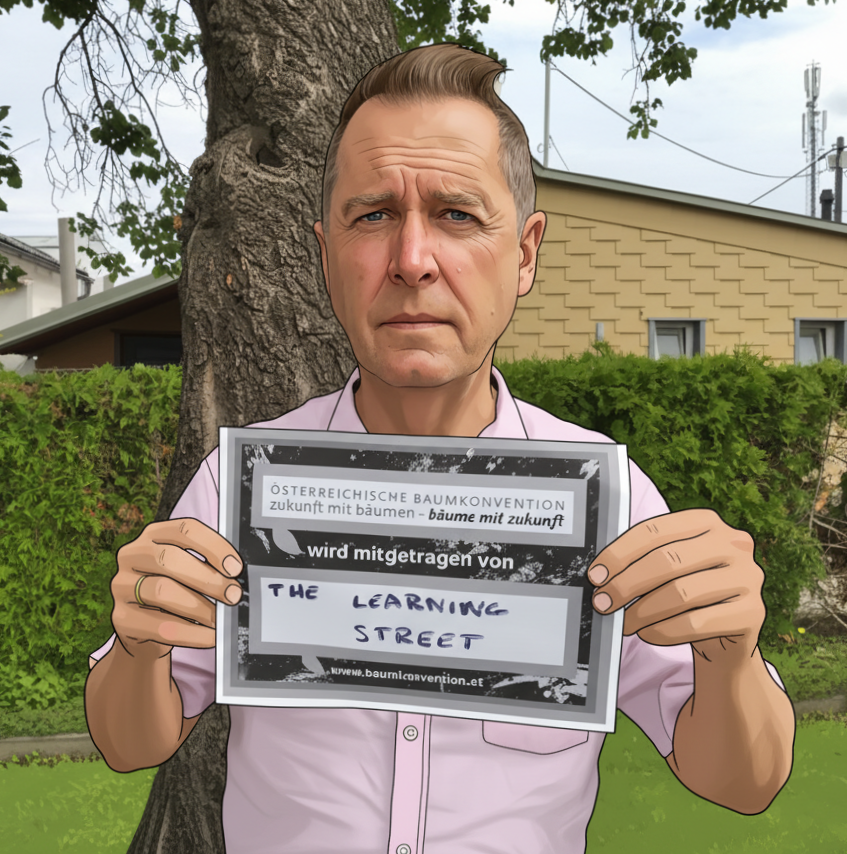
A Decade of Systemic Change Michael Boyle is a pioneer of the Circular Economy in Austria with over a decade of experience advancing resource efficiency. His journey began with a focus on making sustainability tangible at the district level, eventually founding initiatives like kreislaufplatz.wien and the first Austrian chapter of the Circular Economy Club (CEC).
From Experience to Methodology Through his work with circular.wien, Michael developed the “Circular Experience” framework, a methodology dedicated to removing friction points in the consumer journey for sustainable products. This hands-on expertise in identifying why sustainable systems often fail led him to the lecture halls of FHWien der WKW and the New Design University.
The Architect of Slow Throughput Today, Michael specializes in democratizing sustainability through his proprietary Slow Throughput methodology. As a lecturer and strategist, he teaches designers, entrepreneurs, and students how to optimize and decelerate material flows to create a truly regenerative future.
“My goal is to forge a new model for local sustainability by fusing the inherent potential of every member of our society with systemic circular solutions.”
The Concept
What is Slow Throughput?
| Quick Throughput (as is) |
| Resource Extraction at Breakneck Speed |
| Fleeting Consumption |
| Inevitable, Early Disposal |
| Growth-Obsessed |
| Slow Throughput (should be) |
| Resources Deeply Valued & Preserved |
| Conscious, Intentional Usage |
| Reintegration into Living Cycles |
| Longevity-Obsessed |
What’s in store
From Classroom to Connection
While these concepts are currently being shared through my lectures at FHWien der WKW, the mission to decelerate our economy is expanding. I am currently weaving these threads of understanding into a definitive book and a comprehensive eLearning module designed to democratize this vital knowledge for a global audience.
The path to a regenerative reality is a meticulously crafted one—and it is currently in motion. If you wish to follow the evolution of this work and receive early insights into the blueprints for a thriving, slow throughput economy, I invite you to join the conversation.
Stay at the heart of the movement.